
Automotive batteries are everywhere. They start our cars, power lights, support safety systems, and keep modern vehicles running smoothly. Because they are so common, most people never think of them as dangerous. They look solid, sealed, and harmless from the outside.
But inside every automotive battery is a mix of strong acid, toxic metals, and stored energy. If the battery cracks, leaks, overheats, or is handled the wrong way, it can cause serious injuries, damage property, and harm the environment.
This is the reason automotive batteries are legally treated as hazardous materials. They are placed under a specific hazard class that controls how they are stored, shipped, handled, and recycled.
In this detailed guide, you will clearly understand which hazard class automotive batteries belong to, why this classification exists, how different battery types are treated, and why these rules matter for safety and the environment.
What Is a Hazard Class and Why It Exists
A hazard class is a safety system used around the world to group dangerous materials based on the type of harm they can cause. Some materials burn easily. Some explode. Others damage skin, eyes, metal, or the environment.
Instead of guessing how dangerous something is, hazard classes create clear rules. These rules help workers, drivers, emergency teams, and recycling centres know exactly what risks they are dealing with.
Automotive batteries fall under a hazard class because they can:
- Burn skin and eyes
- Corrode metal surfaces
- Release harmful gases
- Leak toxic substances into soil and water
Without hazard classes, accidents during transport and storage would be far more common.
Why Automotive Batteries Are Considered Hazardous Materials
Automotive batteries are not dangerous because they produce electricity. They are dangerous because of what is inside them.
Most automotive batteries contain:
- Sulfuric acid, which is highly corrosive
- Lead or other metals, which are toxic
- Chemical reactions, which can release gas or heat
If the battery casing breaks or leaks, these materials can escape. Even a small leak can cause burns, damage metal surfaces, or harm the environment. Because of these risks, automotive batteries are legally classified as hazardous materials.
This classification is not optional. It is based on real injuries, real accidents, and real environmental damage recorded over many years.
Also read: What is Energy Density of a Lithium-Ion Battery?
Automotive Batteries Are Classified Under Hazard Class 8
Automotive batteries are an example of Hazard Class 8, which is the class for corrosive substances.
Hazard Class 8 includes materials that can:
- Burn human skin and eyes
- Destroy metal surfaces
- Cause serious chemical injuries
- Damage vehicles, buildings, and equipment
Sulphuric acid, the liquid inside most automotive batteries, fits this description exactly. It can cause injury in seconds if it touches skin or eyes. It can also eat away metal and paint very quickly.
Because of this, automotive batteries are placed under Hazard Class 8 in international transport and safety systems.
Why Sulfuric Acid Makes Car Batteries Dangerous
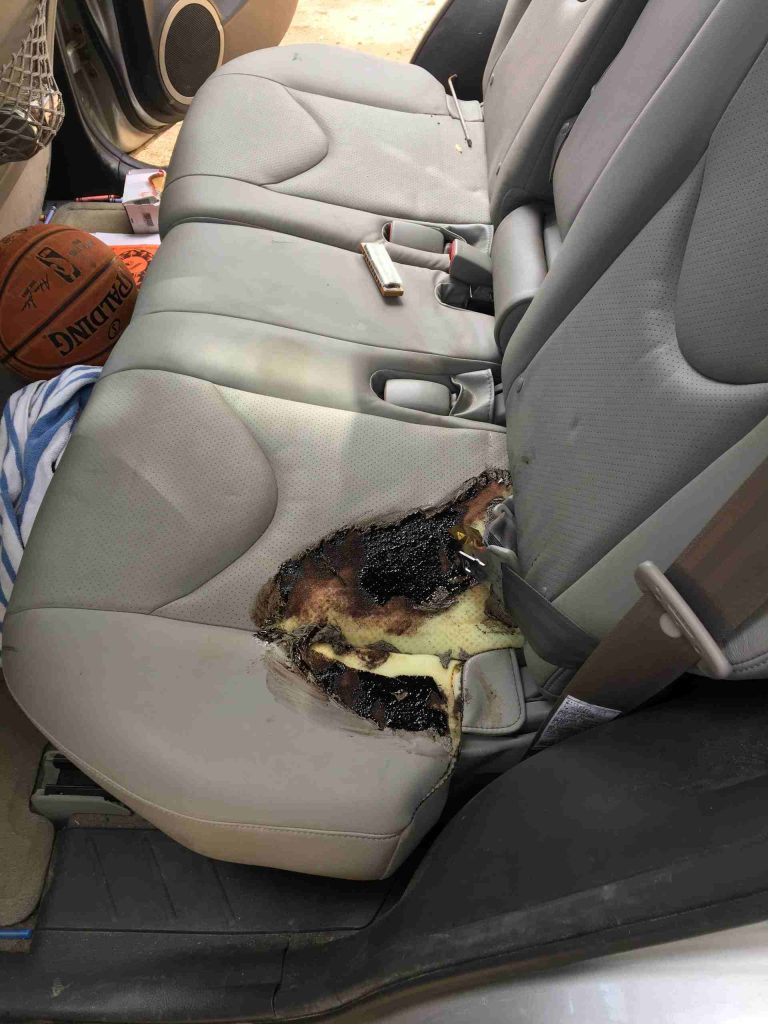
Sulphuric acid is extremely strong. Even a small amount can cause serious injury. When a battery is working normally, the acid stays safely inside. But accidents happen.
If a battery is dropped, cracked, overcharged, or damaged in a crash, the acid can leak out. When this happens, it can:
- Burn skin in seconds
- Cause permanent eye damage
- Destroy clothing
- Eat through metal surfaces
Because sulfuric acid behaves this way, any product that contains it in liquid form is automatically considered corrosive and hazardous.
UN Numbers Used for Automotive Batteries
To make safety rules clear across countries, hazardous materials are assigned UN numbers. These numbers help identify the exact type of danger.
Automotive batteries commonly fall under:
- UN2794 – Wet, lead-acid batteries
- UN2800 – Wet, non-spillable batteries
Both UN numbers are linked to Hazard Class 8. This means the battery must be labelled, packed, and handled as a corrosive substance during transport and storage.
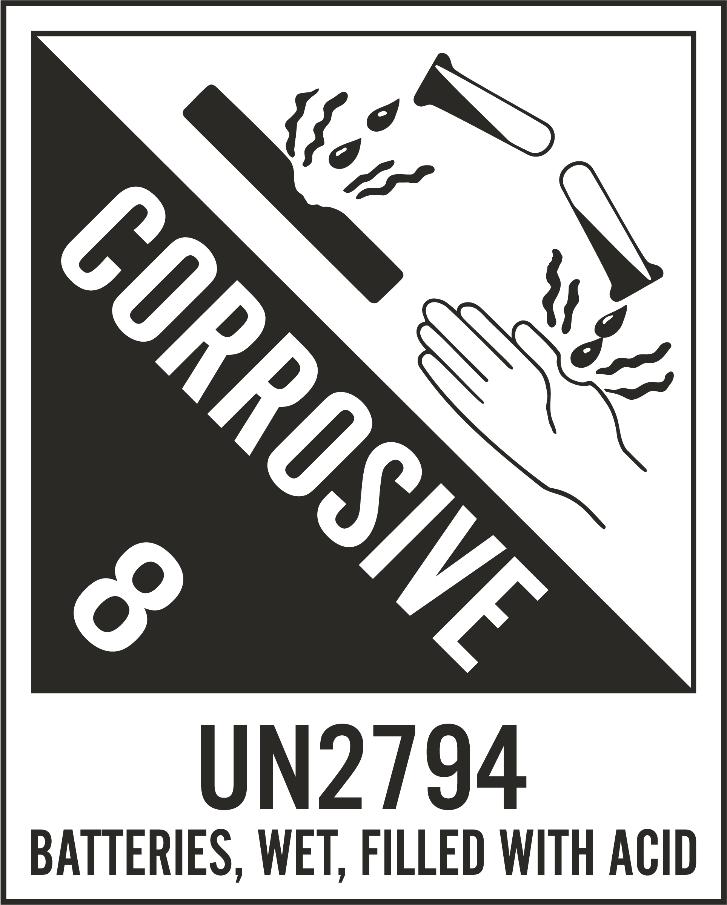
This system ensures that safety rules remain the same whether the battery is shipped locally or internationally.
Also read: How to Test a car Battery With Multimeter
Are All Automotive Batteries Hazard Class 8?
Most traditional automotive batteries are Hazard Class 8, but battery technology is changing. Different designs may fall under different classifications depending on the risk they pose.
Lead-Acid Automotive Batteries
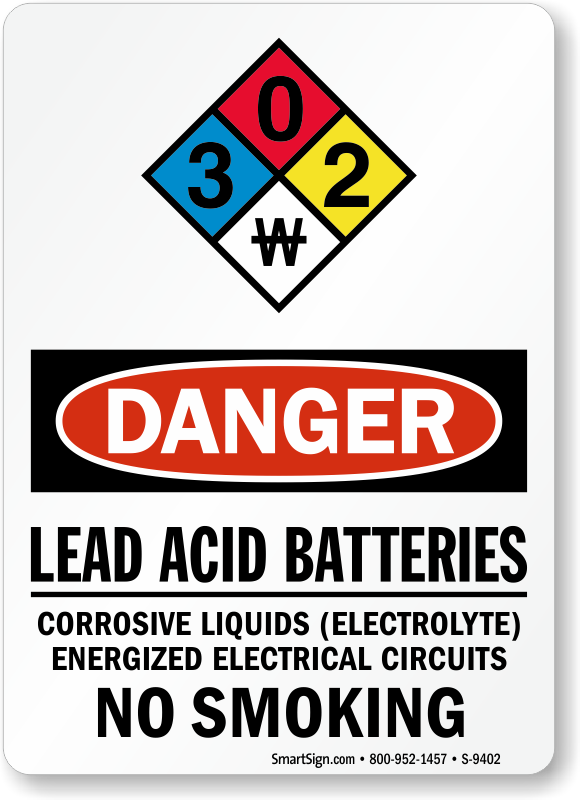
These are the most common batteries used in cars and trucks. They contain liquid sulfuric acid and lead plates. These batteries are always classified as Hazard Class 8 because of their corrosive nature.
AGM and Gel Automotive Batteries
AGM and gel batteries still use sulfuric acid, but the acid is absorbed or thickened. This reduces spills but does not remove the danger. If the battery is damaged, acid exposure is still possible. These batteries are also treated as hazardous materials.
Lithium-Ion Vehicle Batteries
Electric vehicle batteries use a different chemistry. These batteries are often classified under Hazard Class 9, which covers miscellaneous dangerous goods. The risk here is fire and heat rather than acid corrosion. This classification mainly applies to large EV battery packs.
Why Automotive Batteries Are Never Regular Household Waste
Throwing an automotive battery into normal trash is dangerous and illegal in many places. When batteries end up in landfills, they can leak acid and heavy metals into the ground.
This pollution does not go away. Lead stays in soil for years. Acid damages water systems. Wildlife and humans can be affected long after the battery is forgotten.
This is why automotive batteries are treated as hazardous waste and must be recycled properly.
Environmental Damage Caused by Improper Battery Disposal
Improper disposal does not only affect one location. Acid runoff can spread through soil and water. Lead contamination can enter crops and drinking water.
This environmental risk is another reason automotive batteries are classified under Hazard Class 8. The classification helps control damage before it happens.
Safe Handling Rules for Automotive Batteries
Because automotive batteries are corrosive, basic safety steps are required during handling.
- Protective gloves help prevent acid burns.
- Eye protection reduces the risk of serious injury.
- Batteries should always be kept upright.
These steps may seem simple, but they prevent many accidents every year.
Transportation Rules for Automotive Batteries
Shipping automotive batteries requires special care. Vehicles carrying batteries must use approved packaging that prevents leaks and movement.
Hazard labels must be clearly visible. Drivers must know how to respond to spills or accidents. These rules protect not only the driver but also everyone sharing the road.
Transportation Rules for Automotive Batteries
Shipping automotive batteries requires special care. Vehicles carrying batteries must use approved packaging that prevents leaks and movement.
Hazard labels must be clearly visible. Drivers must know how to respond to spills or accidents. These rules protect not only the driver but also everyone sharing the road.
Proper Storage of Automotive Batteries
Storage areas must be well ventilated. Batteries can release hydrogen gas, which can ignite if trapped in closed spaces.
They should be stored away from heat, sparks, and incompatible chemicals. Following these rules reduces fire and corrosion risks.
Workplace Safety and Battery Handling
Workshops, warehouses, and service centres must treat automotive batteries as hazardous materials. Training is required so workers know how to lift, move, store, and replace batteries safely.
Clear labelling and proper procedures reduce injuries and damage.
Automotive Battery Recycling and Hazard Control
Recycling is the safest and most responsible option. During recycling, acid is neutralised, lead is reused, and plastic is processed safely.
This controlled process prevents pollution and reduces the need for mining new materials.
Common Misunderstandings About Automotive Batteries
Many people think sealed batteries are completely safe. They are safer but still hazardous if damaged.
Another common belief is that small batteries are harmless. Even small automotive batteries contain enough acid to cause serious injury.
Final Thoughts
Automotive batteries may look simple, but they carry powerful chemical risks. Their placement in Hazard Class 8 exists for a reason. It is based on science, experience, and safety data collected over many years.
By understanding their hazard class, following safety rules, and choosing proper recycling, we reduce injuries and protect the environment. Knowledge is the most effective safety tool we have.
Frequently Asked Questions (FAQs)
Which hazard class do automotive batteries belong to?
Automotive batteries belong to Hazard Class 8, which is the class for corrosive substances.
Why are automotive batteries considered hazardous?
They contain sulphuric acid and toxic metals that can cause burns, damage surfaces, and harm the environment.
Do sealed or AGM batteries count as hazardous?
Yes, even sealed and AGM batteries are hazardous because they still contain acid inside.
Which UN number is used for car batteries?
Most car batteries are classified under UN2794 or UN2800, depending on their design.
Do electric vehicle batteries fall under the same hazard class?
No, EV batteries are usually classified under a different hazard class due to fire risk, not acid.
Why is hazard classification important for batteries?
It helps prevent injuries, environmental damage, and accidents during handling and transport.
Can leaked battery acid be dangerous?
Yes, leaked battery acid can cause serious skin burns and damage surfaces very quickly.