
Lithium batteries are now a part of everyday life. We depend on them for phones, laptops, power banks, electric vehicles, solar systems, and many other devices. Because they are so common, many people assume they can handle almost any condition.
Cold weather proves otherwise.
If you live in a cold area, travel during winter, or store batteries in garages, sheds, or vehicles, you may have noticed something strange. Your phone battery drains fast. Your electric vehicle shows less range. A battery that worked fine yesterday suddenly acts weak today.
This leads to one big question that many people search online: Can lithium batteries freeze?
The answer is not just yes or no. Lithium batteries behave very differently in cold temperatures, and misunderstanding this can lead to permanent battery damage, safety risks, and early replacement costs.
What Is a Lithium Battery and Why Temperature Matters So Much
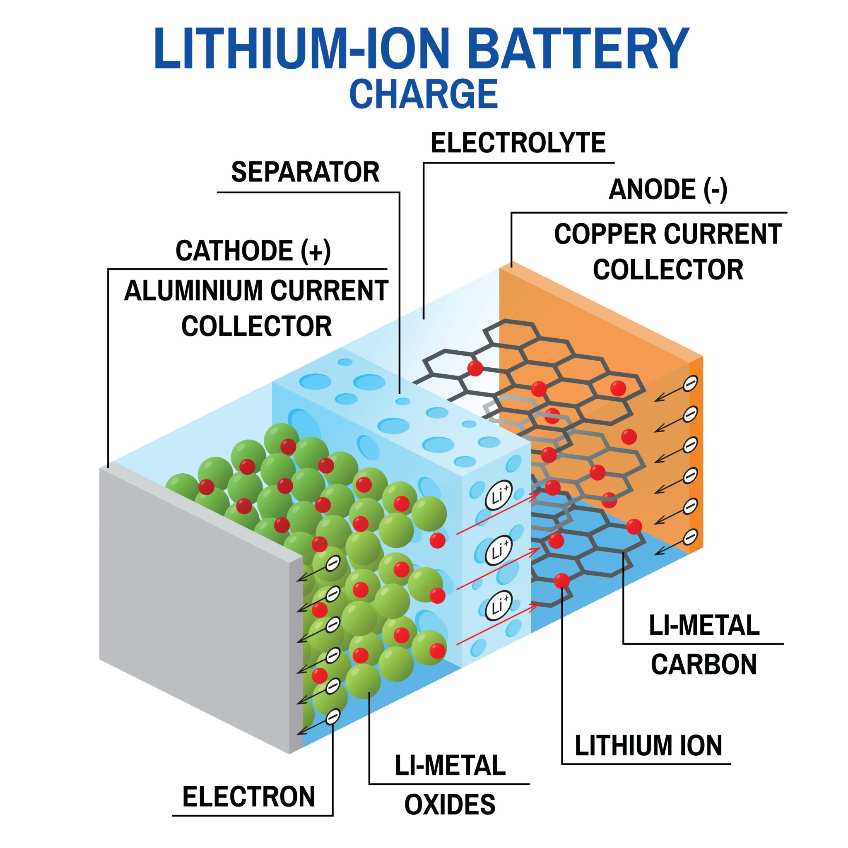
A lithium battery stores energy using chemical reactions. Inside the battery, tiny lithium particles move back and forth between two internal layers when the battery is used or charged.
This movement happens through a liquid or gel called an electrolyte. The electrolyte must stay in good condition for the battery to work properly.
Temperature controls how fast or slow this process happens.
When the temperature is comfortable, lithium particles move easily. The battery delivers power smoothly, charges normally, and lasts longer.
When the temperature drops too low, everything slows down. The electrolyte thickens, lithium movement becomes weak, and the battery struggles to provide energy.
This is why temperature plays such a huge role in lithium battery performance and safety.
What Does “Freezing” Really Mean for Lithium Batteries?
Many people imagine freezing as something turning into solid ice. Lithium batteries do not freeze like water, but they do suffer internal freezing effects.
Inside the battery, the electrolyte can become very thick or partly solid when temperatures drop very low. When this happens, lithium particles cannot move freely anymore.
So freezing in lithium batteries means:
- Slower chemical reactions
- Poor energy flow
- Sudden power loss
- Internal stress inside the battery
From the outside, the battery may look normal. Inside, however, it is under stress and may already be damaged.
At What Temperature Do Lithium Batteries Start Freezing?
This is one of the most important points to understand.
Most lithium-ion batteries start losing performance at temperatures close to 0°C (32°F). This does not mean they freeze instantly, but their efficiency drops.
Serious problems begin below -10°C (14°F). Charging becomes unsafe at this level.
At around -20°C (-4°F) and below, parts of the electrolyte can thicken or partially freeze. At this stage, the battery may stop working properly.
Safe Temperature Range for Lithium Batteries
Lithium batteries are designed to work best within a specific temperature range. Outside this range, performance drops and risks increase.
| Battery Condition | Typical Temperature Range |
|---|---|
| Best performance | 20°C to 25°C (68°F to 77°F) |
| Safe use (discharge) | -20°C to 60°C (-4°F to 140°F) |
| Safe charging | 0°C to 45°C (32°F to 113°F) |
| High-risk area | Below -20°C (-4°F) |
The most important point here is charging. Lithium batteries should never be charged below freezing.
How Cold Weather Slowly Weakens Lithium Battery Performance
Cold affects lithium batteries in several noticeable ways, and these changes often happen gradually.
Battery Drains Faster Than Normal
In cold weather, a lithium battery cannot release all its stored energy. Even if energy is inside, it becomes difficult to access.
This is why your phone may show 80% battery and then suddenly drop to 30%. The energy is still there, but the battery cannot deliver it efficiently.
Devices Shut Down Without Warning
Cold lowers battery voltage. When voltage drops too low, devices shut down to protect themselves.
This sudden shutdown does not mean the battery is empty. It means the battery is struggling to supply enough power at that temperature.
Charging Becomes Very Slow or Stops
Cold batteries charge slowly. Many devices stop charging completely in freezing weather. This is a built-in safety feature.
Charging a cold lithium battery is dangerous and can damage it permanently.
Why Charging a Cold Lithium Battery Is Dangerous
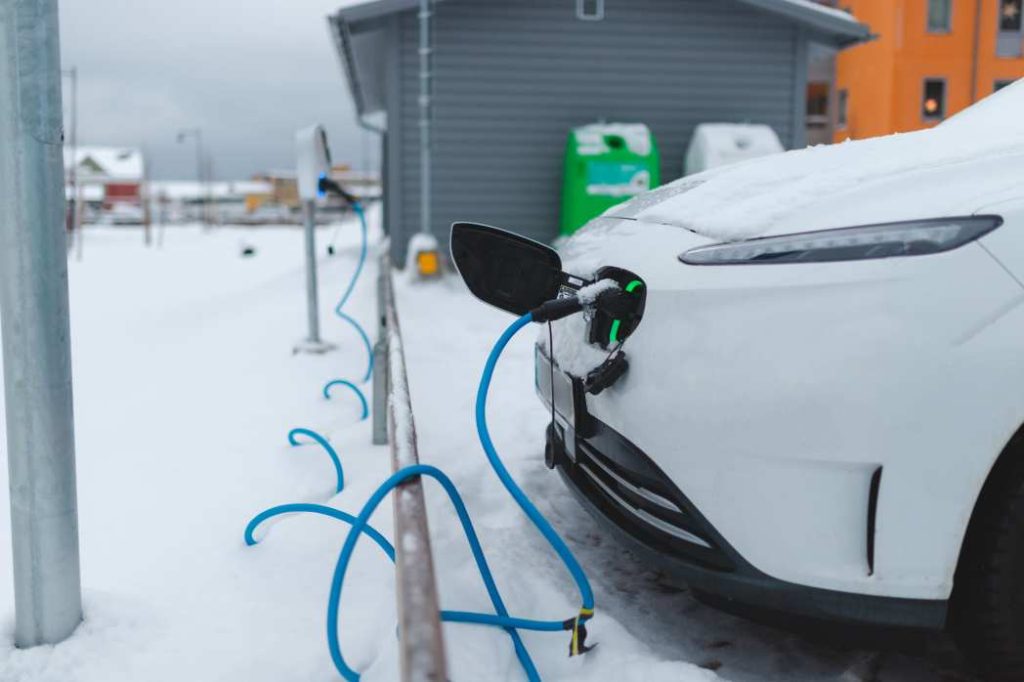
Using a lithium battery in cold weather is usually not dangerous. Charging it is where serious problems can begin.
When a battery is cold, lithium particles cannot move properly. If you try to charge the battery in this state, those particles may stick where they should not. This creates a problem called lithium plating.
Lithium plating causes permanent damage inside the battery. Over time, it can lead to short circuits, overheating, sudden battery failure, or even fire.
What makes this especially dangerous is that the damage is often hidden. The battery may seem fine at first, but the problem shows up weeks or months later.
This is why charging a frozen or very cold lithium battery should always be avoided.
What Happens Inside a Lithium Battery in Freezing Temperatures
To understand the real risk, it helps to know what is happening inside the battery.
The liquid inside the battery, called the electrolyte, becomes thicker in cold temperatures. This makes it harder for lithium particles to move.
As movement slows, resistance increases. Power flow weakens. Heat generation drops.
If charging is attempted while the battery is cold, lithium particles can stick to the wrong places. This problem is called lithium plating, and it can permanently damage the battery.
Can Cold Weather Permanently Damage Lithium Batteries?
Yes, it can.
Cold exposure alone may not always cause permanent damage. Many batteries recover after warming up.
However, charging a lithium battery while it is cold is the biggest danger. This can cause internal damage that never fully heals.
Signs of permanent cold damage include:
- Reduced total battery life
- Faster aging
- Poor charging behavior
- Shorter run time
Once this damage happens, it cannot be reversed.
Lithium Batteries in Electric Vehicles During Winter
Electric vehicles rely on large lithium battery packs, making cold weather a major concern.
In winter, driving range drops because the battery delivers energy less efficiently. Heating the cabin also uses battery power.
Modern electric vehicles include systems that warm the battery before driving or charging. This protects the battery and improves performance.
Charging without warming would damage the battery, which is why vehicles manage temperature automatically.
Read more: What Happens If A Lithium Battery Gets Wet?
Lithium Batteries in Solar and Industrial Systems
Large lithium battery systems used for solar energy storage face special challenges in winter.
Cold nights reduce energy storage efficiency. Charging in freezing conditions requires built-in heating systems to prevent damage.
High-quality systems include insulation and temperature control to keep batteries within safe limits.
How Do You Store Lithium-Ion Batteries for Winter
Lithium-ion batteries should be stored carefully in winter to avoid damage and loss of battery life. Cold weather does not freeze them like water, but it can slowly harm the battery if storage is done the wrong way.
Store lithium-ion batteries indoors where the temperature stays stable. The best storage temperature is between 10°C and 25°C (50°F to 77°F). Avoid garages, cars, sheds, or balconies, as these places often drop below freezing in winter.
Before storing, keep the battery at a partial charge of about 40% to 60%. Do not store batteries fully charged or completely empty, as both conditions put stress on the battery over time.
Always store batteries in a dry place away from moisture and heat sources. If the battery is removable, take it out of the device. For built-in batteries, turn the device fully off.
If a battery has been in the cold, let it warm up to room temperature before charging. Charging a cold lithium-ion battery can cause permanent internal damage.
Are Lithium Batteries Worth Using in Cold Weather?
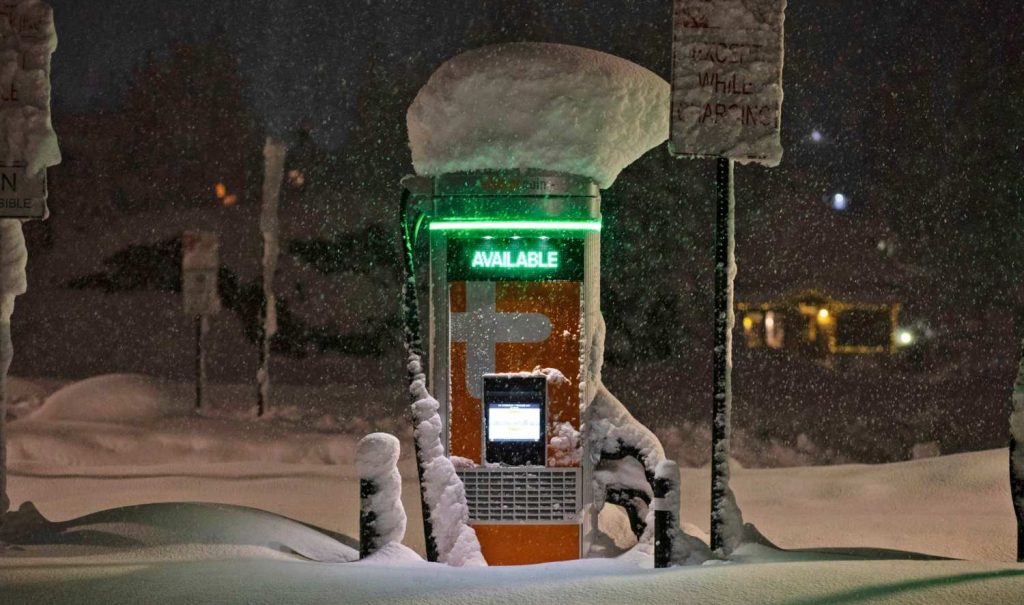
Yes, lithium batteries are worth using in cold weather – but only if they are used the right way.
Lithium batteries do work in cold conditions, but cold temperatures slow down their internal chemistry. This means they deliver less power, lose charge faster, and may shut down earlier than expected. The battery usually recovers once it warms up, so most of this performance loss is temporary.
The biggest risk is charging in freezing temperatures. Charging a cold lithium battery can cause permanent internal damage and safety problems. That’s why batteries should always be warmed to room temperature before charging.
In short, lithium batteries are reliable in cold weather for use, but they need extra care. If you avoid charging them while cold and protect them from extreme temperatures, they remain a practical and valuable power source even in winter.
Final Takeaway
Storing lithium-ion batteries for winter is not difficult, but it does require care. Keep them indoors, dry, partially charged, and away from extreme temperatures. Never charge a cold battery, and check stored batteries occasionally.
By following these simple steps, your lithium-ion batteries will stay safe, healthy, and ready to use when winter ends.
Understanding how cold affects lithium batteries helps you protect your devices, save money, and avoid unexpected failures